Prompt – A friend who pulled you toward trouble.
I have never had a true friend who pulled me toward trouble, but I did have a lot of trouble that pulled me toward people I called friends. In Plattsburgh, there was a kid who was more of a friend of a friend, or a friend of the group, a kid that drifted in and out of our orbit when he wanted. His name was Mike. He was short, quick to anger, and always looking for an edge to push. His dad was frequently gone on temporary assignments, and I never knew what his father’s job actually was. I only knew his absence hung in the air and created a lot of strain for Mike.
Mike’s height may have been part of his meanness, but the larger truth was that he lived inside a story that felt humiliating and painfully public. Even at thirteen, my group of friends knew what was happening at his house. Mike’s mother was finding her physical needs elsewhere when her husband was gone, and the worst part was not only that we knew, but that Mike knew we knew. That kind of knowledge does not sit quietly in a kid’s body. It turns into heat and rage. It turns into dare after dare. It turns into a need to control the narrative by burning it all down first.
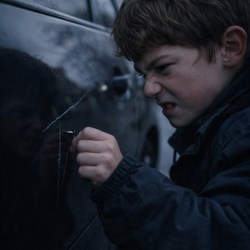
Mike taught us all how to smoke. He taught us how to drink. We objectified women in magazines together in the South Side Trails. We were mean together. We keyed cars, put sugar in gas tanks, made prank calls, snuck into movies on base, shoplifted, and treated other people’s property like it was a joke we deserved to tell. When Mike was around, the meanness had a sharpness to it, like we were proving something. When he was not around, some of the same dumb choices still happened, but the cruelty did not have the same appetite. Mike did not just bring trouble with him. He brought a mood. He made all of us meaner than we were on our own.
The father situation was Mike’s issue, but it was also part of the wider tone on base. Plenty of fathers carried their own damage, and plenty of homes ran on alcohol, abuse, pornography, and the kind of quiet debauchery that never stayed as quiet as adults thought it did. Mike’s particular version of it was personal and specific. He believed someone else’s father was sleeping with his mother, and he believed everyone knew, and he lived inside that humiliation like it was a locked room he could not escape. So he pulled us down with him, and we went because we were young and because we were bored. We did not understand the difference between loyalty and participation. We were far too young to know how to pull someone up, and we were not yet brave enough to refuse the gravity.
Years later, I can see the shape of it more clearly. Trouble was never the point. Trouble was the language. Mike was trying to say, I am hurting, and I cannot stand being the only one who has to carry it. That does not excuse what we did, and it does not clean it up into something noble, but it does make the story more human.
What I hold now is this. I cannot go back and un-key the cars or un-make the cruelty, but I can tell the truth about how it happened. I can name the moment trouble stopped being thrilling and started being a warning. I can also be grateful that something in me eventually reached for a different kind of friend. Hope, I have learned, is not the denial of what I did or did not do. Hope is the decision to grow past it, and to recognize that pulling someone up sometimes starts with stepping out of the dark first.
 Muddled Soma