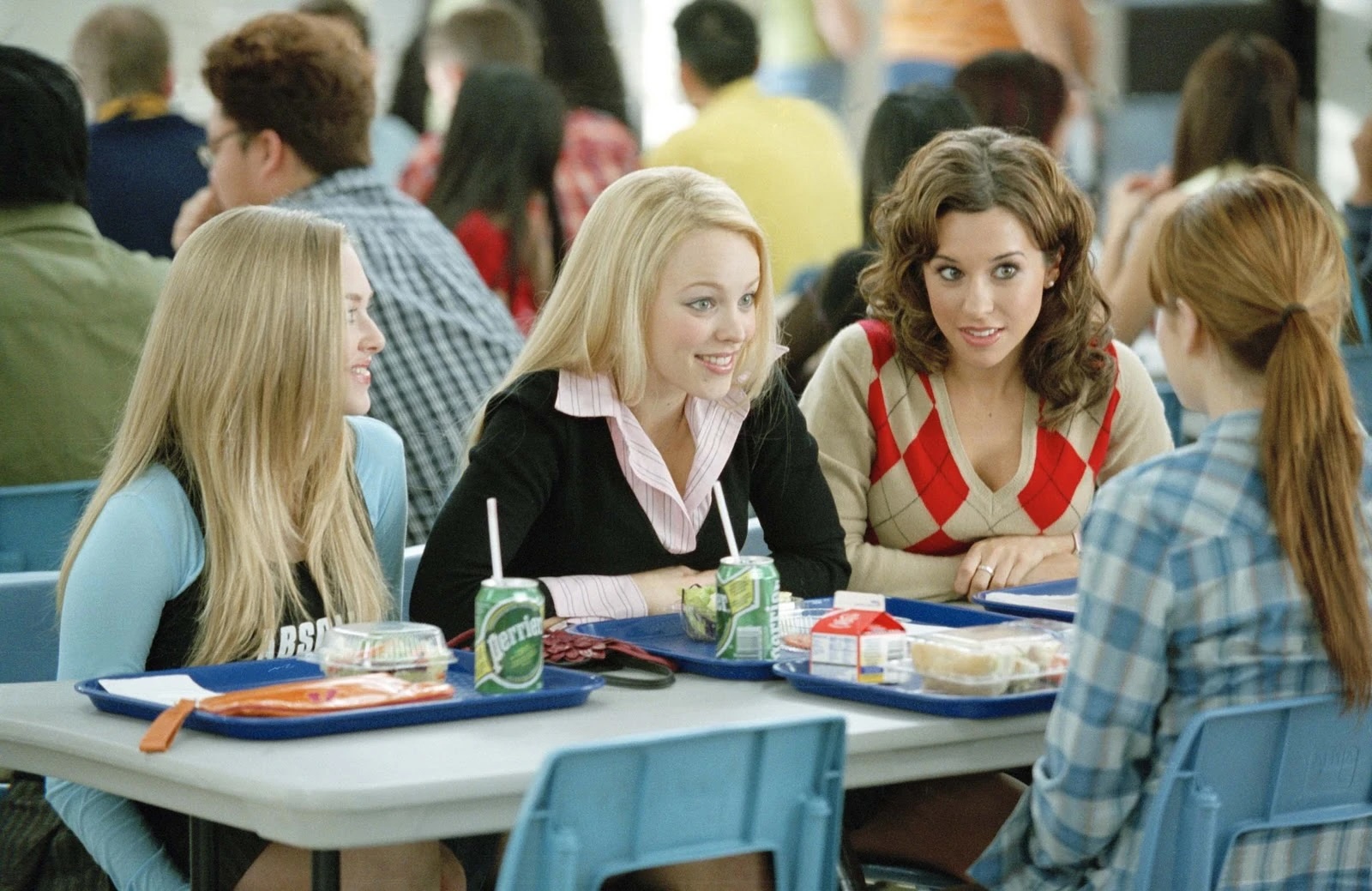
Prompt – Lunchroom politics
Through the fifth grade, the lunchroom was neutral ground. It required only a basic understanding of a single-file line, eighty-five cents, and the know-how to choose wisely from the menu. The homemade square pizza made by Carol the Lunch Lady reigned supreme, folding in half but never breaking thanks to a level of grease that functioned as both flavor and structural support. The sloppy joe, held together by far more ketchup than beef, tested gravity and came in a respectable second, especially when paired with tater tots that counted as a vegetable because everyone agreed to pretend they were potatoes. Then there was the taco, which had never heard Spanish and knew no spice at all. Finished off with a carton of chocolate milk and the meal was complete. That was it. No strategy was required, nor was any understanding of complex human hierarchical structures necessary. The menu told everything that needed to be known.
Sixth grade changed the terms. The lunchroom acquired borders much like invisible fences that everyone pretended not to see while obeying their “Posted” notices perfectly. Rules appeared, not published ones, but learned ones. Seats were no longer neutral. Placement mattered, and choice was often an illusion, as belonging did the choosing long before anyone sat down. Jocks clustered loud and confident, already rehearsing for futures that assumed space. Band kids gathered with instrument cases leaned against their legs like shields. Nerds formed tight constellations around shared intelligence and inside jokes. Religious kids bowed their heads before eating, not so much for God as for each other. Floaters drifted from table to table, fluent in small talk and practiced exits. Loners learned how to sit with a book and make it look intentional.
The food did not change. The square pizza never left. What changed was the audience and, with it, the purpose. Lunch became a daily referendum on who was permitted to be seen together and who was better off unseen. Seats mattered. Laughter mattered more, because laughter signaled togetherness and safety. Silence could be read as arrogance or fear, depending on who was watching and what they needed it to mean that day. Some seats had to be earned, while others came with unspoken warnings to stay away. The politics were efficient and selectively cruel, enforced mostly through looks, although words were occasionally deployed when looks failed.
The lunchroom became my first real lesson in social cartography, a place that taught where power sat and where safety might be found if one looked closely enough. What I did not understand then was that everyone else was learning the same lesson at the same time, each of us convinced of being the only one studying the map so desperately. The tables felt permanent, the labels felt fixed, and the consequences felt endless.
Looking back now, the comedy of it all lands harder than the fear ever did. Grease-soaked pizza and ketchup-heavy sloppy joes were never really the point. The lunchroom was a training ground, rehearsing adult versions of conference rooms, waiting rooms, and dinner tables where the same invisible fences still exist. The difference is that, with time, the map becomes easier to read, and the borders begin to look less international and more domestic. That realization does not erase the lesson, but it does soften it, allowing the memory to sit where it belongs, alongside the chocolate milk and the understanding that belonging was always more fragile, and more negotiable, than it first appeared.
 Muddled Soma